- Pathway to Permanent Residency.
- Employment Flexibility.
- Family Sponsorship.
- Access to Benefits.
- Pathway to Citizenship.

090 1000 579





After gathering all your documentation, take the proactive step of finding an employer willing to sponsor you for the green card process.
It’s worth noting that, as of the writing of this article, most of the final action dates for the EB-3 green card are backlogged by only a few months, while others may have backlogs extending several years. If you are from China or India, be prepared for a potentially longer wait before your priority date becomes current. Additionally, be aware that the dates for the “other workers” group may have slight variations from the dates for the other two groups.
What About The EB-3 Interview?
If you are currently outside the U.S., you can pursue consular processing instead. This will involve visiting the U.S. consulate or embassy in your home country for a one-on-one interview with a consular officer. To initiate the process, you will need to complete the DS-260 online immigrant visa application.
Before attending the interview, make sure to print out both the confirmation page for your DS-260 application and the receipt for your payment. During the interview, please bring the following documents:
Keeping in mind each step discussed above, we can estimate the processing time for the EB-3 green card. However, it’s important to note that several factors can influence the overall duration of the process.
However, if waiting for 6 months for your I-140 to be processed is too long for you, there is an option to use premium processing by paying an extra fee. This service shortens the processing time of your petition to just 15 calendar days.
It’s crucial to ensure that your application is free from inconsistencies or errors, as they can significantly delay the EB-3 processing time. Our priority is to expedite the process as much as possible for our clients. To have a clear understanding of your specific processing time, schedule a consultation with our team and work closely with your EB-3 green card attorney.
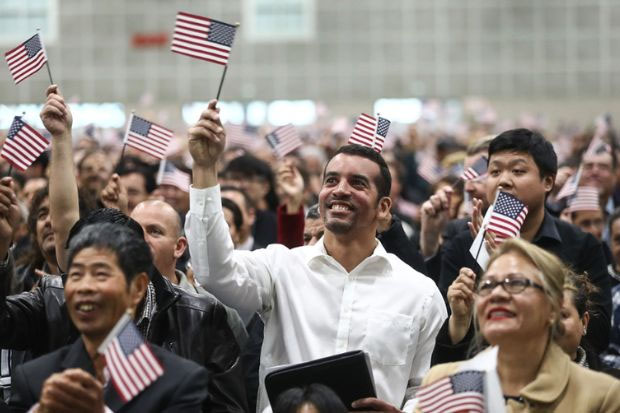
Congratulations on obtaining your EB-3 immigrant visa! While you might already be content with your immigration journey, there are several advantages to taking the final step and becoming a U.S. citizen:
These are just a few of the many benefits that come with transitioning from an EB-3 visa to citizenship. The process of achieving citizenship is called naturalization, which involves filing an N-400 form with the USCIS. Meeting the requirements, such as residing in the U.S. as a legal permanent resident for at least 5 years, will qualify you for an interview and an exam evaluating your knowledge of American government, history, and proficiency in English.
If you pass the test and interview successfully, you will be required to take an oath of allegiance to the United States, officially becoming a U.S. citizen.
As a side note, although the N-400 application fee may seem more expensive at $725, plus an $85 biometrics fee, compared to the EB-3 green card renewal fee, you only need to pay this once, unlike the green card renewal fee, which must be paid every decade. This makes citizenship a cost-effective and long-term solution.
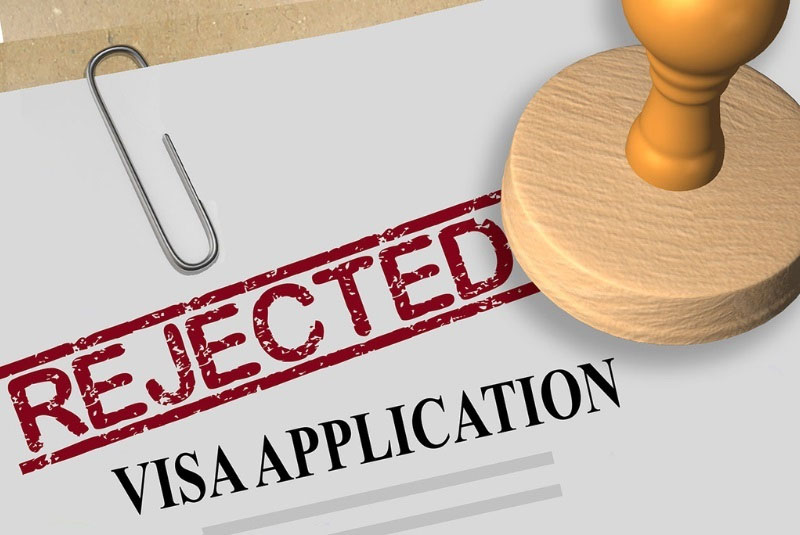
We strive to help you avoid the disappointment of an EB-3 denial by providing essential information on how to prevent such issues from arising.
An EB-3 green card petition can be denied or rejected for a few main reasons:
For the first two items on the list, your petition is likely to be rejected, which means it was returned due to a minor issue. The best course of action is to collaborate with your immigration attorney to rectify the mistake and refile the petition.
However, for the remaining reasons, the situation may be more serious. A denial signifies that your petition underwent thorough examination by an immigration officer and was rejected based on the merits of your case. In such situations, you have several options. You can choose to refile with additional or different supporting evidence, appeal the decision through the Administrative Appeals Office, or make a legal motion to request reconsideration or reopening of your case. Working closely with your immigration attorney will help you determine the best approach to address the situation.
At times, instead of issuing an outright denial, the USCIS may send a Request for Evidence (RFE). Consider this as a second chance rather than a hindrance. The USCIS is providing you with the opportunity to submit additional documentation to strengthen certain aspects of your case. Although there is a limited timeframe to respond to the RFE, this should be seen as a positive step. To make the most of this opportunity, it is advisable to work closely with your immigration attorney. They can help you prepare and submit a comprehensive and timely response to the RFE, increasing your chances of a favorable outcome.
Foreign workers have various options to come to the U.S. on permanent or semi-permanent bases. Among these options, the EB-3 visa can be an excellent fit for certain individuals, depending on their background, U.S. sponsors, and guidance from immigration lawyers. This visa offers the opportunity to become a U.S. permanent resident and is categorized as an immigration visa.
From the information provided above, you can gain comprehensive knowledge about the EB-3 visa, including its requirements, the application process, how to handle rejections, and the pathway to obtaining U.S. citizenship. Our team has successfully assisted numerous foreign workers in securing EB-3 visas, and our ultimate objective is to make the entire process easy and straightforward for you.
Take the first step towards fulfilling your American dream by scheduling a consultation with us. Let us assist you in making your aspirations of living and working in the U.S. a reality!